
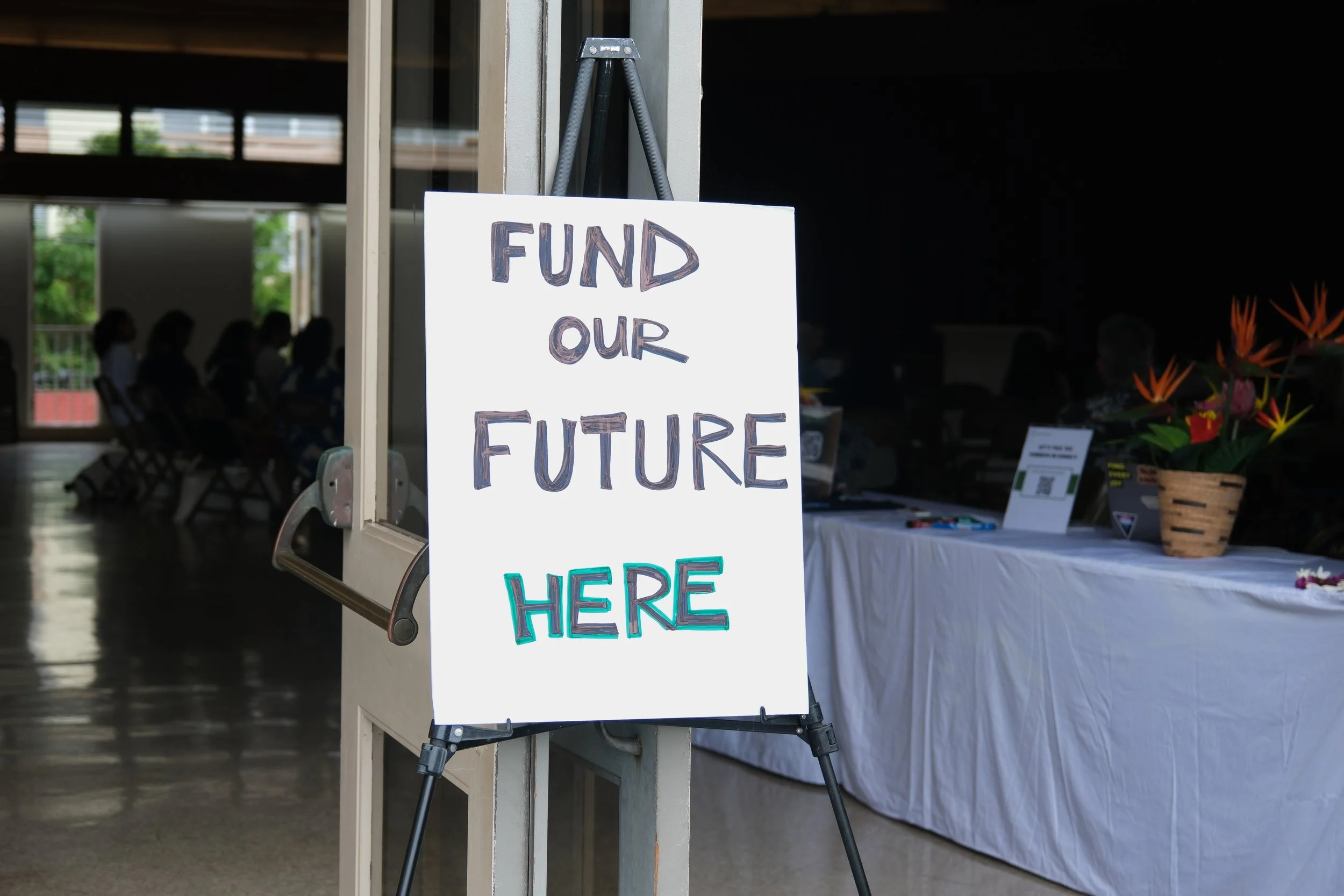
Taxes Should Reduce Inequality – Not Deepen It.
A fair tax system should help to close the gap between the rich and everyone else. But in Hawaiʻi, our current system is making inequality worse.
Who Pays More – And Who Pays Less?
Hawaiʻi’s tax system is regressive, meaning it asks the least from those who have the most. Hawaiʻi’s wealthiest residents pay the lowest portion of their income on taxes, while low- and moderate-income families pay the highest.
Hawaiʻi: Total Taxes Paid as a Share of Family Income
How Do We Build a Better Tax System?
The way the current system works means the wealth gap gets LARGER every time Hawaiʻi residents pay taxes. A fair tax system flips this around, helping to grow the middle class. This can be done in two primary ways.
1
Offer Tax Credits for Working Families
Programs like the Child Tax Credit, the Earned Income Tax Credit, and others put tax money back in the pockets of these low-income and ALICE households, helping them pay for their basic needs.
2
Taxing Corporations and the Ultra Wealthy
The top 1% wealthiest residents and large corporations that profit from Hawaiʻi’s land and culture should pay a higher share of their income to support programs and services that we all benefit from.